
Why Drinking Can Actually Be Good for Your Social Life — And Why the Answer Isn’t What You Think
Today, I want to talk about something a little… spicy. Something that goes against the current tide of the “just go alcohol-free forever” trend.
Because here’s the truth you are allowed to say out loud:
Sometimes, having a drink — yes, a real drink — can genuinely help your social life.
Not because alcohol is “healthy”… but because connection is.
Let’s break this down without shame, without judgment, and without pretending humans are robots who never feel anxious in social settings.

Alcohol Isn’t the Hero — Connection Is.
We know alcohol isn’t a green juice. This isn’t a “wine is good for your heart” post. But what often gets left out of the conversation is this:
Loneliness is a bigger health risk than alcohol.
Social isolation raises mortality risk more than obesity, inactivity, and in some cases smoking.
Which means this:
If having a drink helps you show up, open up, and genuinely connect with other humans?
That matters.
The Neuroscience: A Little Alcohol Lowers Social Threat
Here’s the sciencey bit that makes everything click:
A small amount of alcohol dampens activity in the amygdala — the fear center of the brain that screams:
“What if they judge me?”
“Say something clever!”
“Don’t be awkward!”
“Everyone’s watching you!”
For people who are:
socially anxious
highly sensitive (hi, my fellow HSPs)
emotionally intense
perfectionistic
or simply exhausted from life
…that tiny reduction in “social threat” can help you relax enough to show up as yourself.
Not the numbed-out version.
Not the overserved version.
The real you.
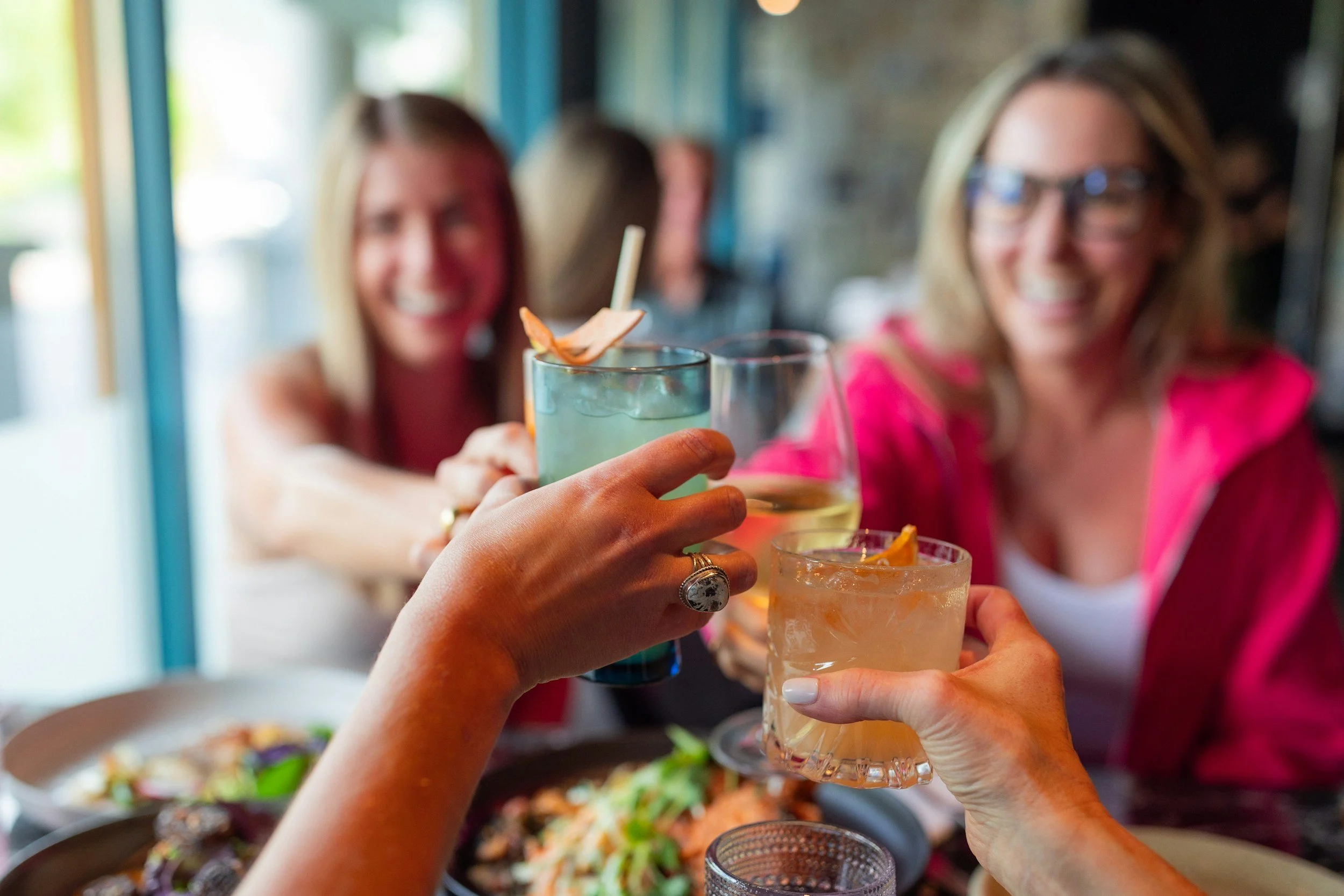
There’s a Difference Between Drinking to Numb and Drinking to Connect
This is the heart of ShameOver.
Drinking to numb disconnects you from yourself.
Drinking to connect brings you closer to others.
One avoids emotions. One enables vulnerability.
They are NOT the same thing — and pretending they are is why so many people feel confused, ashamed, or “bad” for wanting to drink socially.
You’re not bad. You’re human.
Why Cutting Out Alcohol Entirely Can Backfire Socially
Let’s be honest:
The non-alcoholic trend is amazing… for some people.
But for many, pulling alcohol out completely can accidentally lead to:
feeling left out
feeling “othered”
losing ritual
avoiding gatherings
feeling disconnected
feeling “on the outside looking in”
When people use mindful moderation instead of rigid abstinence, something interesting happens:
They feel MORE present, MORE grounded, and MORE authentic — not less.
They’re not white-knuckling social events.
They’re not obsessing about what everyone else is drinking.
They’re not counting minutes until they can leave.
They’re actually participating.

The Psychology: Humans Bond Through Shared Ritual
Sharing a drink is one of the oldest bonding rituals on the planet.
It’s not about the alcohol — it’s about the shared experience.
The clink.
The pour.
The “cheers.”
The “try this, it’s so good.”
These rituals:
activate mirror neurons
increase bonding chemicals like oxytocin
deepen attunement
slow us down so we’re present
Mindful moderation lets you participate in these rituals without losing yourself to them.
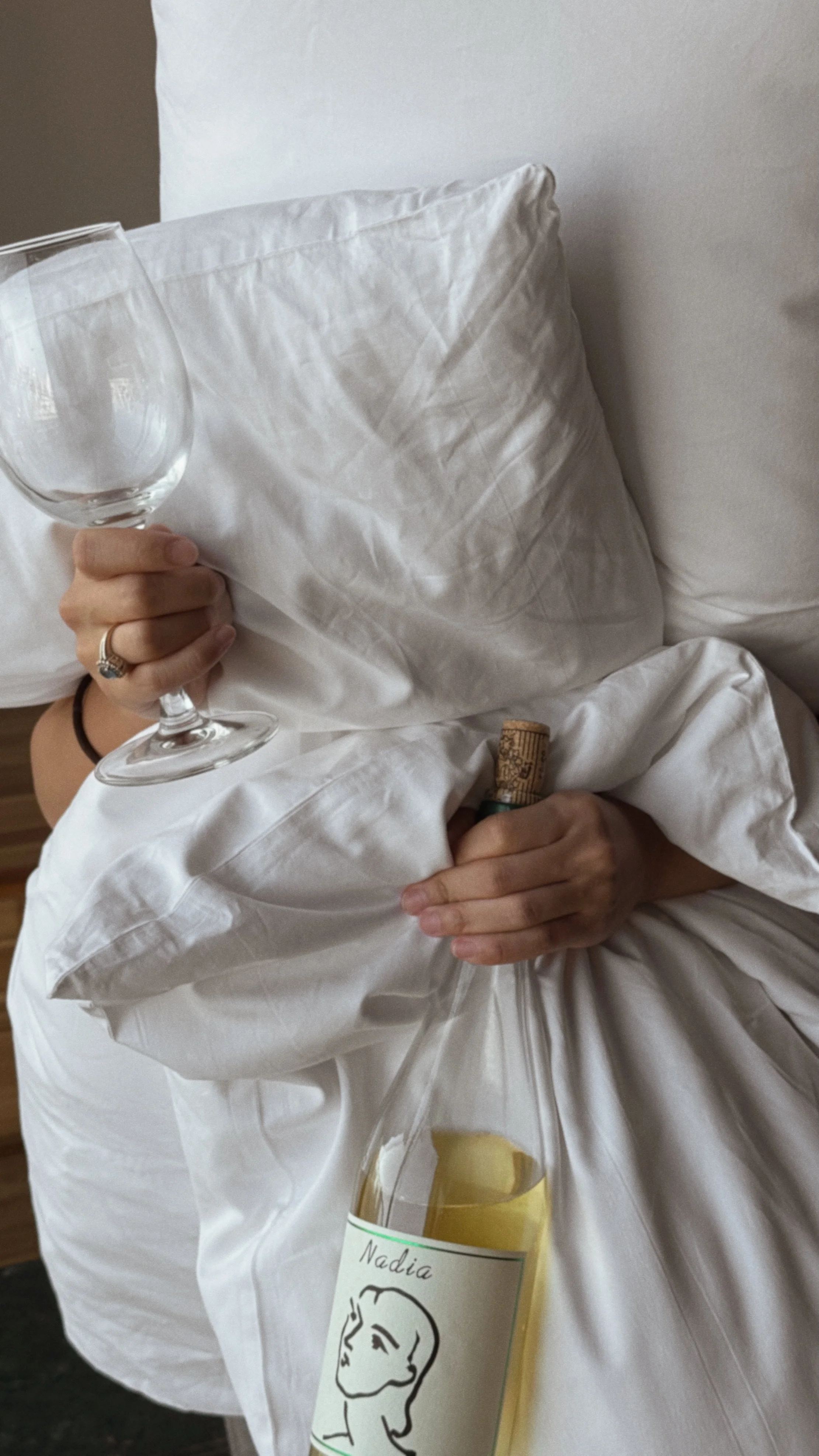
Restriction Culture Is Making People Drink More, Not Less
Here’s something most people don’t realize:
The all-or-nothing mindset is fueling binge drinking.
When people are told:
“You must quit entirely or you’re failing”
…they avoid dealing with the real issue — their emotional and nervous system patterns. They either:
rebel,
shame spiral, or
swing between extremes.
But when people are taught moderation skills, something wild happens:
They naturally drink less.
They trust themselves more.
They connect deeper.
They feel freer.
That’s the whole point.

Alcohol Isn’t the Solution — But It Can Be a Bridge
A bridge to:
connection
presence
shared experience
vulnerability
community
ritual
joy
It’s not the star.
It’s the supporting cast.
The secret is intention.
When you drink:
not to escape,
not to numb,
not to avoid,
not from autopilot
…but to be present and connected…
You get the best of both worlds: the fun without the fallout.
So Yes — Drinking Can Be “Good” for Your Social Life.
Not because alcohol itself is healthy…
…but because you are healthier when you feel connected, supported, and part of something bigger than your own thoughts.
If a glass of wine, a craft beer, or a beautifully made cocktail helps you open that door — and you do it mindfully — that’s not something to feel guilty about.
That’s something to understand, honor, and approach with intention.
This is moderation done right.
This is ShameOver.
If you want to explore what that looks like in your real life, come hang out with me + ShameOver!
You deserve connection that fuels you — not morning-after regret - and absolutely no shame.