
Expert Tips + Tricks for Staying On Track with New Goals for 2026

Every January, we’re sold the idea of a fresh start. New year, new habits, new version of ourselves. And yet, research shows that 80–90% of New Year’s resolutions are abandoned by February, with fewer than 10% actually sticking by the end of the year.
If that stat makes you cringe, you’re not alone. Most of us have been there. We start with good intentions, real motivation, and a genuine desire for change. Whether it’s drinking less, eating better, moving our bodies more, or creating healthier routines, the want is there. So why does it fall apart so quickly?
The truth is, most resolutions don’t fail because of laziness or lack of discipline. They fail because they’re too big, too vague, unsupported, or disconnected from who we actually are. In this post, we’ll break down the most common reasons resolutions fall apart and explore a more supportive, sustainable way to set goals that actually last.
Why Most New Year’s Resolutions Don’t Last
What gives? Most resolutions fail not because the want isn’t there, but because they’re often too big, too vague, don’t lack legitimate plans, or simply aren’t sustainable. Here are the 3 main pitfalls that have people ditching their resolution usually after the first hurdle they encounter.
1. The goals aren’t SMART.
Specific, Measurable, Attainable, Relevant, Timely - This proven method increases success drastically because it helps you define exactly what success looks like which also enables you to come up with a plan on exactly how to achieve the success you’re after. I always recommend starting with the end goal then working backwards to figure out specifically what to start (and stop) doing. It sounds cheesy but the saying is true; If you fail to plan you plan to fail. This is also why, too big, too much, too fast will fail every time. Not only is it not realistic, but it also sends our nervous system into overdrive which can be very hard to recover from - especially for those of us who are deeply feeling or highly sensitive.
2. Lack of support.
Motivation fades and willpower is finite. This is exactly why community, support, and coaching are imperative, especially in the long term! It can be easy early on to get going for most people, but the burnout is real. Ever experience the frustration of fighting over workout machines in January yet by February you have no problem getting into that class you were waitlisted for? Let’s be honest, when we make a resolution, we have high hopes of attaining it, but without support along the way and community and/or a coach to help, it’s easy to get off course after a small bump in the road. We all have bad days, but with the right support it’ll be just that (1) one day. Alone, it’s all too easy for this day to turn into a week…a month…or the norm. Support ensure you won’t stay off course. So, get that coach or find that accountability buddy and check in often. Connection is a huge part in all of this.
3. The resolutions aren’t in alignment with the person.
In order for your goal or resolution to stick, it has to ultimately be for the person making it. You’ve got to have a WHY that really matters and hits you in the feels. For example, if you’re trying to lose weight to impress someone(hello revenge bod) it’s likely not going to stick. If you want to drink less because your spouse has made comments or the CDC says you’re indulging too much, it's probably not going to last. It has to be deeply rooted and incredibly meaningful. That’s what will keep you going even when the motivation and willpower fades and what will help you get back on track when the inevitable missteps or stumbles occur.

How Support and Accountability Change Everything
If you want to be successful, set goals that feel supportive, rather than overwhelming
It’s all about the WHY. Digging in to understand the WHY behind the goal is crucial. Everyone else can benefit, of course, but it has to feel right for #1 and you’ve gotta do it for Y-O-U, too. No matter how great our friends or partner or support system is, they’re going to fall short from time to time, so we must learn to look inside for the internal validation we’ve been taught to seek from others.
To ensure you keep your emotional wellbeing in mind during this process, do this to stay aligned with your goals without burning out:
Keep it small and shoot for one win every day! Also, think of it like a long-term investment. There will be ups and downs, but what you put in now - no matter how big or small - will add up over time. Focusing on a daily win helps with motivation and MOMENTUM! I recommend my clients ask themselves “what can I do to get one win today?”
Bonus - tracking is key! Not only does it help you see the data and understand trends, but overtime you can actually see your progress and how many days you’ve shown up for yourself. This can help you tune in to your intuition, values and personal rhythms and help you stay on track when motivation naturally ebbs throughout the year. I call it piggybanking and it’s been a game changer for me and my clients: https://www.instagram.com/reel/DArZTIASnHexWbt7Gsc6sNwIplBtwzIiRF82Jw0/. If the gem jar isn’t for you, try placing sticky notes around the house. The sticky notes don’t need to say anything, but just seeing them will remind you to check in with yourself, your goal, and remember your why.
Most of all, look at your goal every single day.
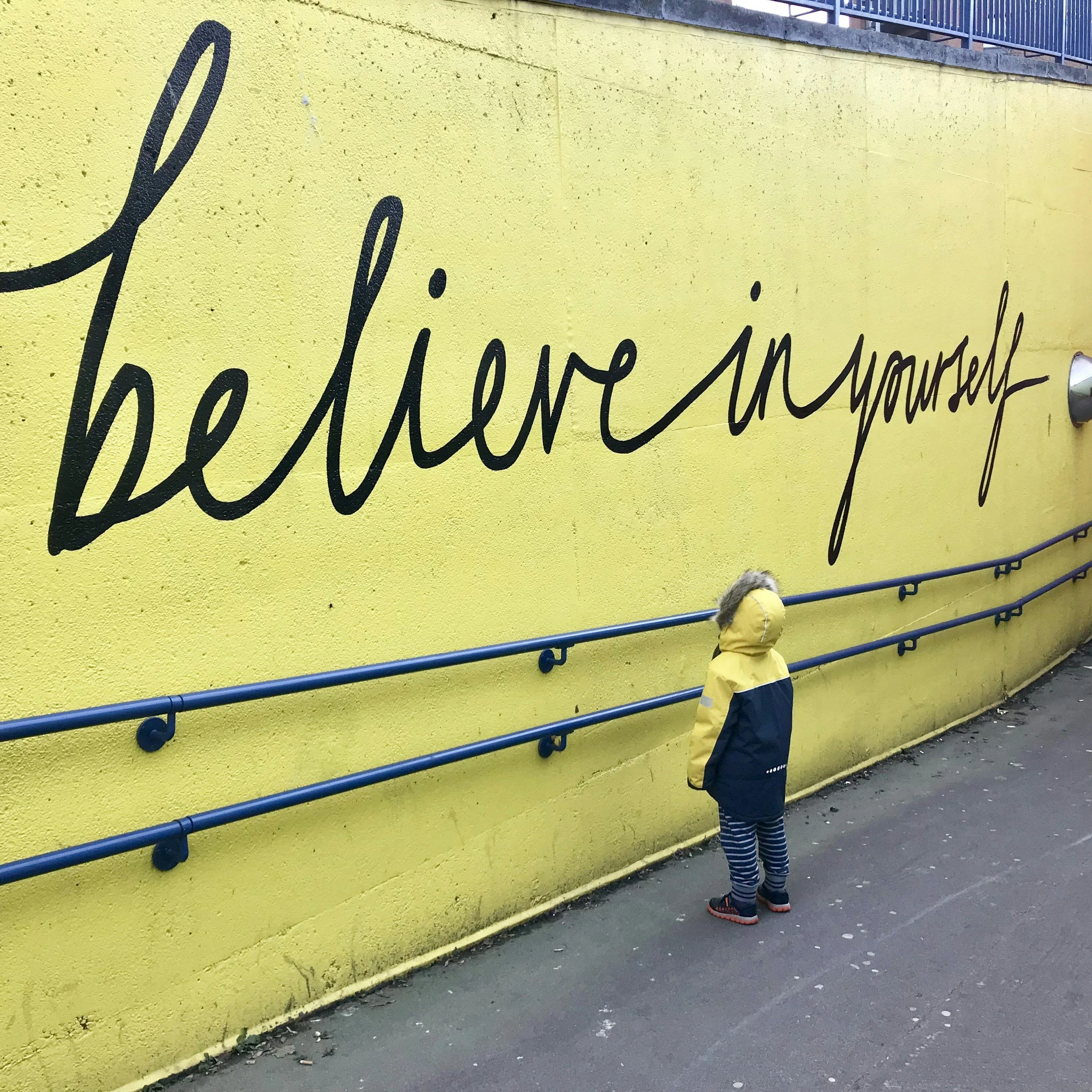
For those juggling work, family and constant stimulation, one mindset shift that can help goals feel more nourishing and achievable is to…
Start every morning with gratitude followed by looking at your goal. Remember - just one single win each day (no matter how small) will be monumental long term. Our brains are designed to be right and it will look at all the opportunities throughout the day for wins and for more things to be grateful for. If you want to hear more about the science, check out this podcast I did with neuroscientist Dr. Jamey Maniscalco. (You can check out all the podcasts here)
At the end of the day, most New Year’s resolutions fail because they ask too much, too fast, without clarity or compassion. Sustainable change isn’t about going harder. It’s about going smaller, getting specific, and staying connected to the why behind the goal.
If you take anything from this, let it be this: one small win a day matters. Those micro choices add up in ways we can’t always see in the moment, but they compound over time. Stay curious, stay kind to yourself, and remember that progress isn’t linear. A year from now, you’ll be amazed at how far small, intentional steps can take you.
If you are considering Dry January, read this and make sure you do it right. The last thing you want is to experience the all too common rebound drinking! And. if you want help sticking with your goals, book a call now.